Overseeding clover into grass requires soil temperatures above 10°C, a grazed-down sward below 1,400kg DM/ha, and a seed rate of 3.7-6.2 kg/ha depending on sward density. In England, the reliable establishment window runs from mid-June to mid-August. Seed-to-soil contact and moisture in the days following application determine whether the crop establishes.
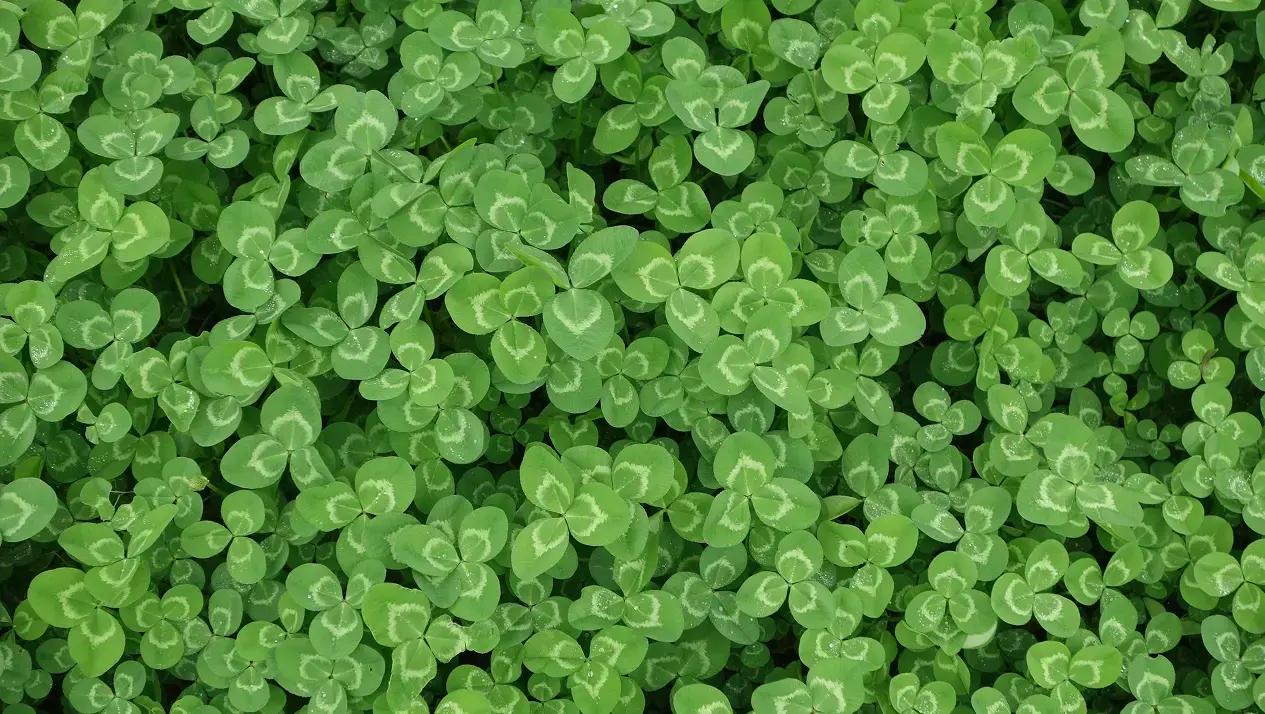
White clover fixes the equivalent of 150-250kg of nitrogen per hectare every year - roughly the same as two full applications of 30% ammonium nitrate at current prices. The catch is that number only holds if the clover actually establishes. And the window to overseed into an existing sward in England is somewhere between six and ten weeks wide, runs from mid-June to mid-August, and it won't wait for you to get organised.
This guide covers how to hit that window reliably: soil preparation, seed rates, variety selection, and which establishment method suits which situation. It also covers something no comparable guide seems to have got around to yet - how SFI26 changes the financial case and exactly which payment actions clover overseeding qualifies for.
Why Clover Fails to Establish - and What the Window Actually Is
Most failed clover establishment comes down to one of three problems: the sward was too competitive, the seed never made proper contact with mineral soil, or the timing was wrong. On heavier land, there's a fourth - but we'll come to that.
Start with temperature. White clover seed germinates reliably above 10°C at 10cm depth. In lowland England that window typically opens in late May and closes in early September. That sounds generous until you factor in the grass competition problem: overseed into a tall, actively growing sward and clover seedlings don't stand a chance - they're shaded out before they get going. The real targeting window, when soils are warm enough and the sward has been genuinely opened up, is much narrower than the temperature range suggests.
Mid-June to mid-August is the consensus for lowland England. Move north or onto higher ground and trim two to three weeks off each end. The aim isn't just warm soils - it's warm soils at a moment when the grass has been grazed or cut to below 1,400kg DM/ha and there's a reasonable probability of following rain. Broadcast seed sitting on dry, closed herbage in August achieves very little.
Moisture dependency is worth stressing. Clover seed is small - it has almost no energy reserve to draw on during germination. It needs soil contact and moisture within days of going down. Time your overseed immediately ahead of a forecast rain event where you can, rather than seeding into dry conditions and hoping.
Soil Preparation, Seed Rates and Variety Selection
Getting the baseline agronomics right is where the establishment is won or lost. No establishment method compensates for the wrong pH or a deficient index.
Target soil pH is 6.2-6.5. Below 6.0, clover performance drops sharply - the rhizobial bacteria that enable nitrogen fixation are pH-sensitive, and if the relationship between the bacteria and the plant root doesn't form, the nitrogen benefit disappears. Phosphorus and potassium should both be at Index 2 as a minimum. If you haven't taken a soil sample recently, do it before committing to overseeding - not after a disappointing result.
Sward preparation means grazing or cutting tight, ideally to 3-5cm, in the two to four weeks before seeding. The 1,400kg DM/ha threshold is the practical target - below it, light reaches the soil surface and newly germinated seedlings have a fighting chance. A light harrowing to break any surface mat before seeding materially improves seed-to-soil contact, particularly on older, tighter pastures.
Seed rates for overseeding into existing grass typically run from 3.7 to 6.2 kg/ha. Use the lower end for relatively open swards, the higher end for dense, competitive grass. On variety, the choice matters more than many farmers realise - small-leaved varieties persist better under heavy grazing, while medium to large-leaved types suit cutting systems. Always select from the current NIAB Recommended List.
| Variety | Leaf size | Best use | Key characteristic |
|---|---|---|---|
| Aberherald | Small-medium | Intensive grazing | High stolon density; persistent under heavy grazing pressure |
| AberDai | Medium | Grazing and cutting | Strong nitrogen fixation; consistently high on NIAB assessments |
| Aber Ace | Medium-large | Mixed grazing/silage | Vigorous early establishment; good clover content at cutting |
All three are on the current NIAB Recommended List for England and Wales and are commercially available through Germinal GB and Barenbrug distributors. If a merchant recommends a variety not on the list, ask why.
Establishment Methods Compared
Here's where the decision gets interesting - and where most guides stop short of saying anything useful.
| Method | Seed-to-soil contact | Ground pressure | Timing flexibility | Suitable for wet soils? |
|---|---|---|---|---|
| Stitching (slot seeder or disc drill) | Excellent | High | Moderate | No |
| Fertiliser spreader broadcast | Poor-moderate | High | Good | No |
| Drone broadcast | Moderate-good | Zero | Excellent | Yes |
Stitching or direct drilling - using something like a Simba Disc or a Moore Unidrill - gives the best seed-to-soil contact and is the right choice where soils are firm, dry, and accessible during the window. The limitation is contractor availability. Getting a decent drill on the right field in a six-to-eight week window, at a moment that suits your sward conditions, is a meaningful logistical challenge.
Fertiliser spreader broadcast is widely used because the kit is available and the cost per hectare is low. The trade-off is contact: seed sitting on undisturbed herbage has a meaningful probability of never reaching mineral soil. A follow-up roll or chain harrow immediately after broadcasting closes most of that gap - but this still requires accessible, firm soils.
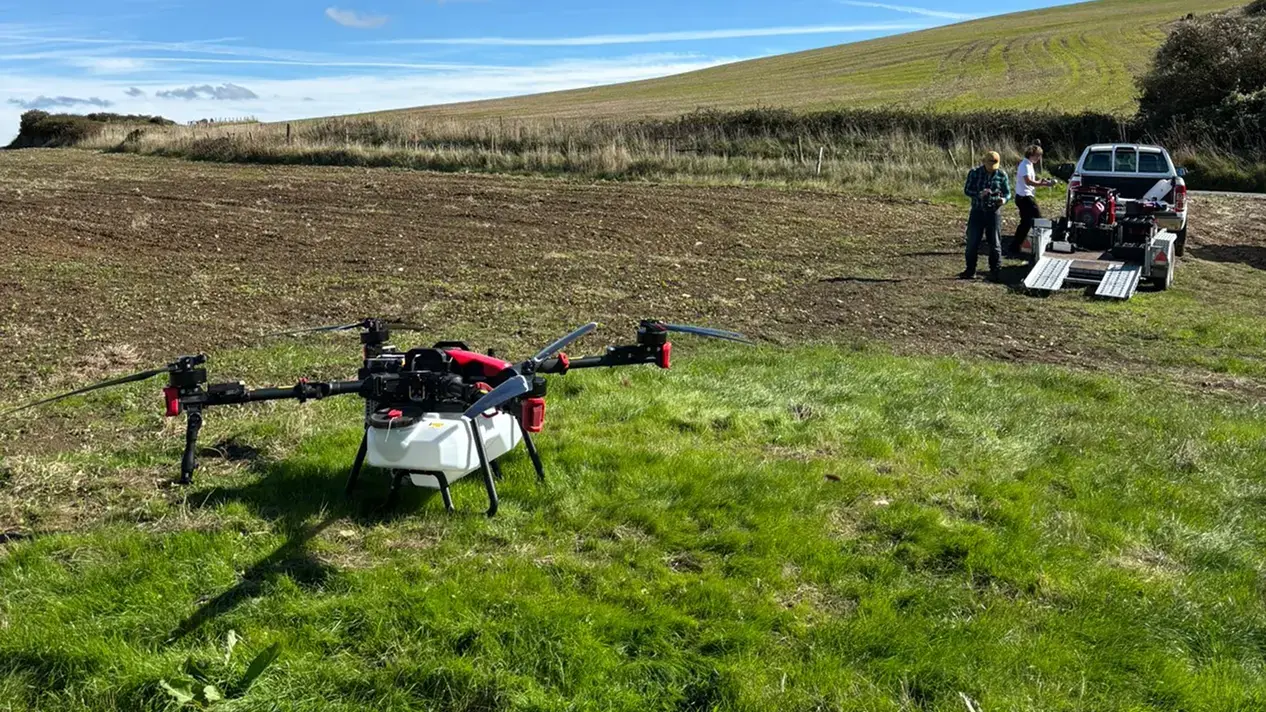
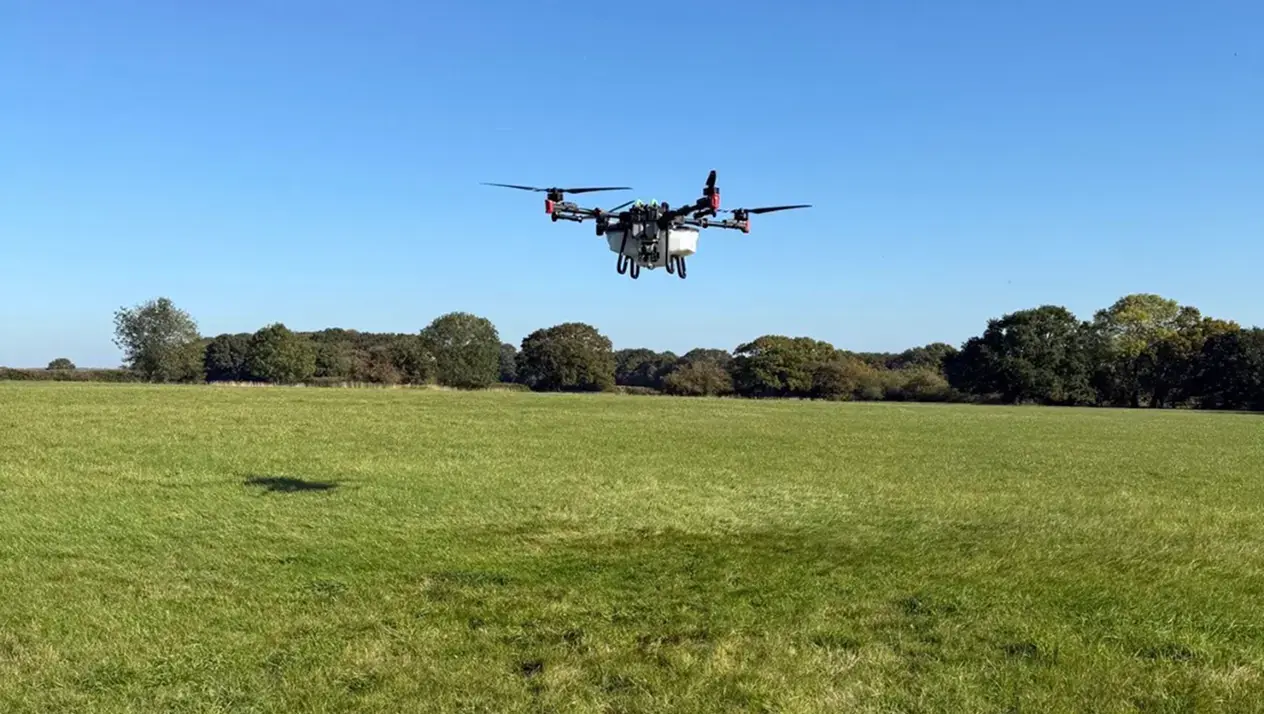
Drone broadcasting sits between the two. Seed-to-soil contact is moderate rather than excellent - following up with a roll when conditions allow is good practice - but the critical difference is zero ground pressure. On any land where accessing the field during a brief moist window would risk soil damage, that distinction changes the decision entirely. More on this below.
The SFI26 Payment Layer - What Clover Overseeding Qualifies For

This is the part of the clover overseeding conversation that almost nobody is having, despite the fact that SFI26 makes the financial case considerably stronger.
| SFI26 Action | What it requires | Payment rate | Duration |
|---|---|---|---|
| CNUM2: Legumes on improved grassland | Establish and maintain white or red clover (or other legumes) from spring to early autumn | £102/ha/year | 3 years |
| CSAM3: Herbal leys | Establish and maintain a diverse multi-species sward including legumes | £224/ha/year | 3 years |
CNUM2 is the practical entry point for most mixed and livestock farmers overseeding clover into existing swards. The method is flexible - broadcast overseeding qualifies, provided legumes are genuinely established and maintained. There's no requirement to start from scratch with a new ley. A 25% area cap applies, meaning you can enter up to a quarter of your eligible improved grassland into the action.
Run the numbers on a 50ha block of eligible permanent grassland and CNUM2 returns £5,100 per year for three years - £15,300 across the agreement term - without taking land out of production. Stack that against a reduced nitrogen fertiliser bill and the combined return from a well-managed clover sward is substantial.
CSAM3 requires a proper herbal ley species mix - clovers alongside chicory, ribgrass, plantain, and other broadleaf species - rather than a clover-only overseed. The payment reflects that at £224/ha, though it's worth noting this was reduced from £382/ha under SFI24. If you're reseeding a field from scratch, CSAM3 may be the right vehicle. If you're working with an existing sward, CNUM2 is typically the more straightforward route.
SFI26 opens in two application windows: Window 1 opens in June 2026, prioritised for smaller farms and those without an existing ELM agreement; Window 2 opens in September 2026. Applications and payment administration sit with the Rural Payments Agency. The timing of Window 1 and the mid-summer overseeding window is not a coincidence worth ignoring - if you're planning to establish clover this season, checking your land parcels for CNUM2 eligibility ahead of June is a sensible first step.
Why Heavy Land Creates a Specific Problem - and What Changes It
Here's the practical tension that standard agronomic advice tends to gloss over.
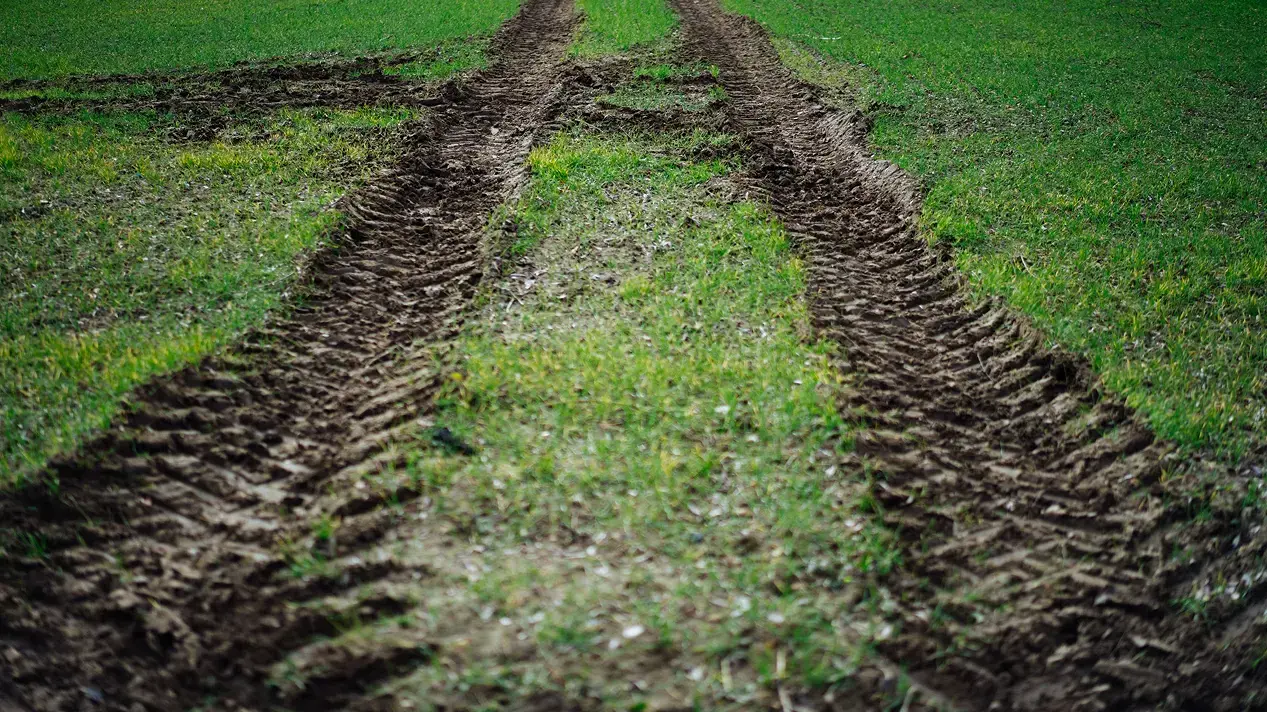
The ideal moment to overseed clover is the two-to-three week period immediately following a silage cut in late June or early July. Soils are briefly moist, the sward is open and cut tight, temperatures are still favourable. The problem is that on clay-loam or poorly-drained ground, this exact moment is also the worst time to drive heavy machinery across the field. Post-cut soils on heavy land are often at or close to field capacity. The tractor and drill you need to get seed in are precisely the thing that will compact and smear the surface you're trying to seed into.
You either wait for soils to firm up - and lose the moist, open-sward window - or you go in and accept compaction damage. Neither is a good outcome.
This is the operational case for drone overseeding that's worth understanding clearly, rather than as a sales argument. A DJI Agras T40 or XAG P100 Pro operating over a grazed or freshly cut sward applies zero soil pressure. Coverage rates run at 8-15 ha/hour depending on field shape and obstacle density. A CAA-authorised drone contractor can mobilise and be on-field within the brief window when conditions align - no machinery booking delays, no minimum area threshold that makes smaller paddocks uneconomical.
Consider the scenario: 40 hectares of permanent grassland on clay-loam in the East Midlands, first cut taken in late June. Soils are moist and open - the textbook establishment moment - but at around 25% moisture content, anything heavier than a farm quad would cause visible damage. Drone overseeding goes down within 48 hours of cutting. The sward is rolled ten days later when soils have firmed. CNUM2 establishment is documented and the three-year agreement value is £4,080 - before accounting for the nitrogen fertiliser no longer needed.
That scenario plays out on a significant proportion of the productive grassland in the Midlands, the North West, and across much of Wales. The timing bottleneck on heavy land has always been there; the establishment option to get around it is relatively recent.
What to Do Before You Book Anything
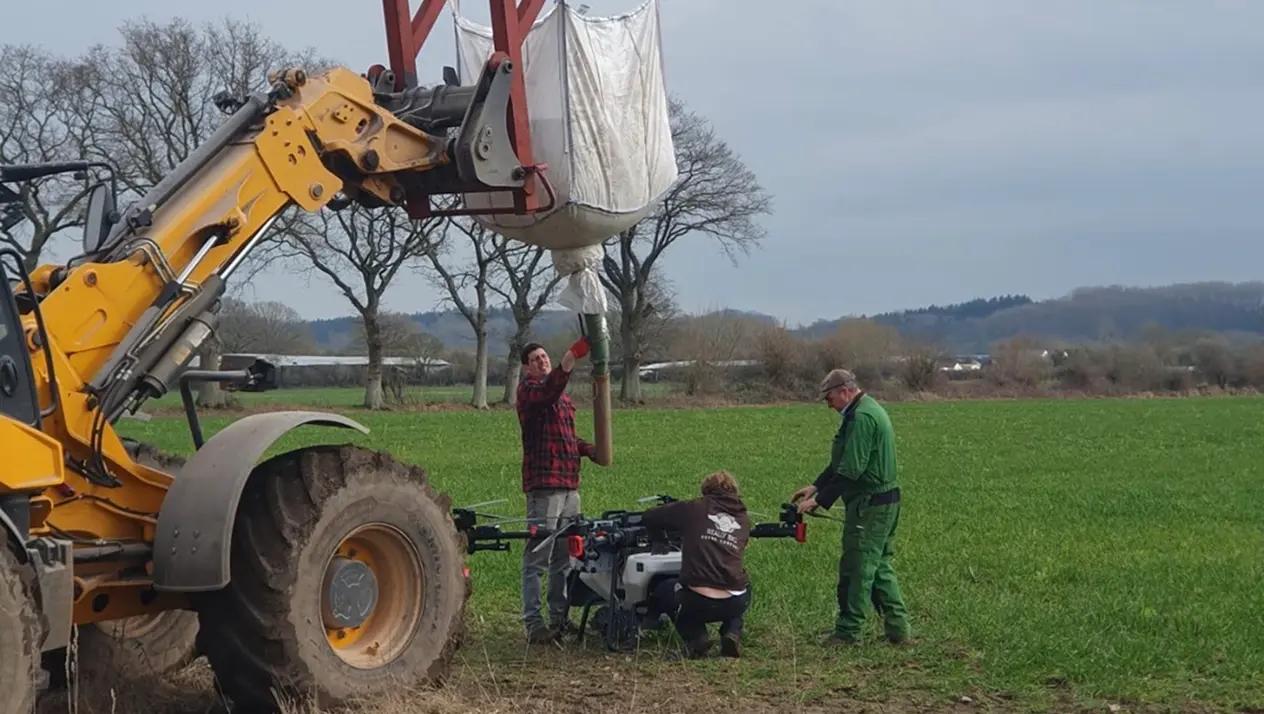
Good preparation is what separates a successful clover overseed from an expensive disappointment - and most of the decisions that determine the outcome happen well before seeding day.
Get a soil sample in if you haven't done so in the last two to three years. pH correction with ground limestone takes time to move through the profile - if you're planning to overseed this summer and your pH is below 6.0, act now. Address any P and K deficiency at the same time. Clover seeded into a deficient sward will underperform whatever method you use.
Identify your eligible land parcels for CNUM2 before the June 2026 SFI window opens. The 25% area cap means selection matters - prioritise fields that are agronomically suited to clover establishment and where your chosen method is practical. If there's any question about whether CNUM2 or CSAM3 is the right vehicle for your situation, talk it through with your farm consultant or land agent before you apply.
Plan your establishment timing around sward conditions, not the calendar. Grazing down tight in May and early June opens the sward ahead of the window and gives you options when conditions align. If you're considering drone overseeding on heavier land, give the contractor notice well ahead of the season - mobilisation can happen quickly when conditions are right, but only if the groundwork has been done.
The Bottom Line
The financial case for overseeding clover into grass has always been solid - 150-250kg of fixed nitrogen per hectare is a meaningful number at any fertiliser price. SFI26 CNUM2 makes it considerably more compelling. The variable that determines whether you actually capture that value is almost always the establishment window: that narrow post-cut period when soils are warm, moist, and open, and when the method you choose either works with those conditions or against them.
Ignore the window and you're waiting another season. Choose the wrong method on heavy land and you may establish the seed and damage the soil simultaneously. For farms where machinery access during the moist post-cut period has historically been the constraint, the establishment options are wider than they used to be.
Drone Spraying UK works with mixed and livestock farmers across England on clover and herbal ley establishment, including on CNUM2-eligible sites. See our services or get in touch with the team to understand whether your land is suitable and what lead times look like ahead of the 2026 window.